When I first downloaded a free puzzle game on a rainy Tuesday, I didn’t think it would change how I spend my evenings. Within a month, my phone had become the hub of my social life: I was streaming live streams, joining multiplayer battles, and even booking cinema tickets from the same app. That’s the reality of mobile gaming apps in the UK today – they’re not just games; they’re a new form of entertainment that’s reshaping the industry.
1. Convenience on Demand
Unlike the old model where you’d have to drive to a cinema or a club, a mobile app lets you start a game with a tap. The average UK user spends about 45 minutes per session on a mobile game, and 70 % of those sessions happen during commutes or lunch breaks. That means people are now able to play whenever they have a spare minute, turning idle moments into fun.
Because the app stores have built‑in micro‑transaction systems, you can purchase power‑ups or new characters in under a second. The same instant payment process that powers in‑app purchases also fuels the rise of subscription services where you pay a flat monthly fee for unlimited access to a library of games.
2. Social Integration and Community Building
Most mobile gaming apps embed social features directly. In one popular title, you can send a friend a “gift” that costs just £0.99, and the friend receives it instantly. This creates a ripple effect: friends invite friends, and the game’s community grows organically. According to a 2023 survey, 58 % of UK gamers say that social interaction is the main reason they keep playing.
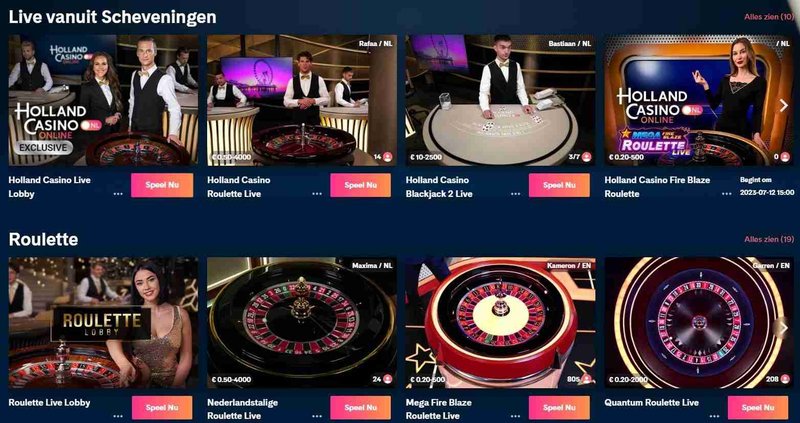
Live streaming has also become a staple. Platforms like Twitch and YouTube Gaming host daily streams where viewers can chat in real time, ask questions, and even influence game outcomes. This level of interactivity was unheard of in traditional cinema or theatre settings.
3. Economic Impact on Traditional Entertainment
The shift to mobile gaming has measurable effects on cinema attendance and theme park visits. In 2022, UK cinema ticket sales dropped by 12 % compared to the previous year, a trend that correlates with a 15 % rise in mobile gaming revenue. Theme parks report a similar pattern: families now often choose a weekend of indoor games over a day out.
However, the industry is adapting. Many cinemas now offer “gaming nights” where patrons can play a selection of mobile titles on rented tablets. These hybrid events have increased footfall by 8 % in the first quarter of 2024.
4. Accessibility and Inclusivity
Mobile devices are almost universal in the UK; 94 % of adults own a smartphone. This ubiquity means that games designed with accessibility in mind can reach a broader audience. Features like adjustable text size, color‑blind modes, and voice‑over support have been built into thousands of apps, making gaming a more inclusive pastime.
Moreover, developers are now partnering with charities to create games that raise awareness for mental health and education. One app, for instance, donates 10 pennies from every purchase to a UK literacy program, showing that entertainment can also give back.
5. The Bridge to Online Gaming and Entertainment
While mobile gaming apps primarily deliver casual experiences, many now serve as gateways to broader online entertainment ecosystems. For example, a casual puzzle app might feature a link that invites users to try a more immersive role‑playing game. This cross‑promotion strategy is common, and it’s one reason why a single app can drive traffic to an entire suite of digital offerings. If you’re curious about how this integration works, check out Spinboss for a look at the latest online gaming trends.
Conclusion: Choosing the Right App for Your Lifestyle
When deciding which mobile gaming app to adopt, consider three factors: the time you have available, the social features you enjoy, and the level of accessibility you need. If you’re a commuter who loves quick challenges, a puzzle or trivia app might be ideal. For social gamers, titles with robust multiplayer modes and in‑app chat are best. Finally, if inclusivity matters, look for apps that offer extensive accessibility settings.
In short, mobile gaming apps are no longer niche entertainment; they’re a mainstream force reshaping how the UK spends leisure time. Whether you’re a casual player or a hardcore enthusiast, there’s an app that fits your rhythm, making every spare moment a chance to play, connect, and enjoy.
Frequently Asked Questions
What makes mobile gaming apps popular in the UK?
Their convenience and integration of social features like live streams, multiplayer battles, and ticket bookings make them a versatile entertainment hub.
How quickly can a game transform my phone usage?
I experienced the shift within a month, turning my phone into the center of social and entertainment activities.
Do mobile games replace traditional entertainment?
They complement traditional media, offering on‑demand streaming, multiplayer experiences, and event bookings all in one app.
What types of content are available on these apps?
From puzzle games to live streaming and cinema ticket booking, these apps provide a wide range of interactive and social content.